
Intrauterine devices (IUDs) are one of the most effective forms of birth control available today. Many women choose them because they are long-lasting, low-maintenance, and highly reliable. But no birth control method is 100% effective.
This leads to an important question: Can you get pregnant with an IUD?
The short answer is yes — but it is rare.
In this detailed guide, we’ll explain how IUDs work, how effective they are, signs of pregnancy with an IUD, possible risks, and what to do if you suspect you might be pregnant.
What Is an IUD?
An IUD (intrauterine device) is a small, T-shaped device placed inside the uterus by a healthcare provider. It prevents pregnancy for several years, depending on the type.
There are two main types of IUDs:
1. Hormonal IUD
- Releases a small amount of progestin
- Thickens cervical mucus
- Thins the uterine lining
- May prevent ovulation in some women
- Can last 3–8 years depending on brand
2. Copper IUD
- Contains copper, which is toxic to sperm
- Prevents sperm from reaching or fertilizing an egg
- Can last up to 10 years
Both types are over 99% effective when properly placed.
How Effective Is an IUD?
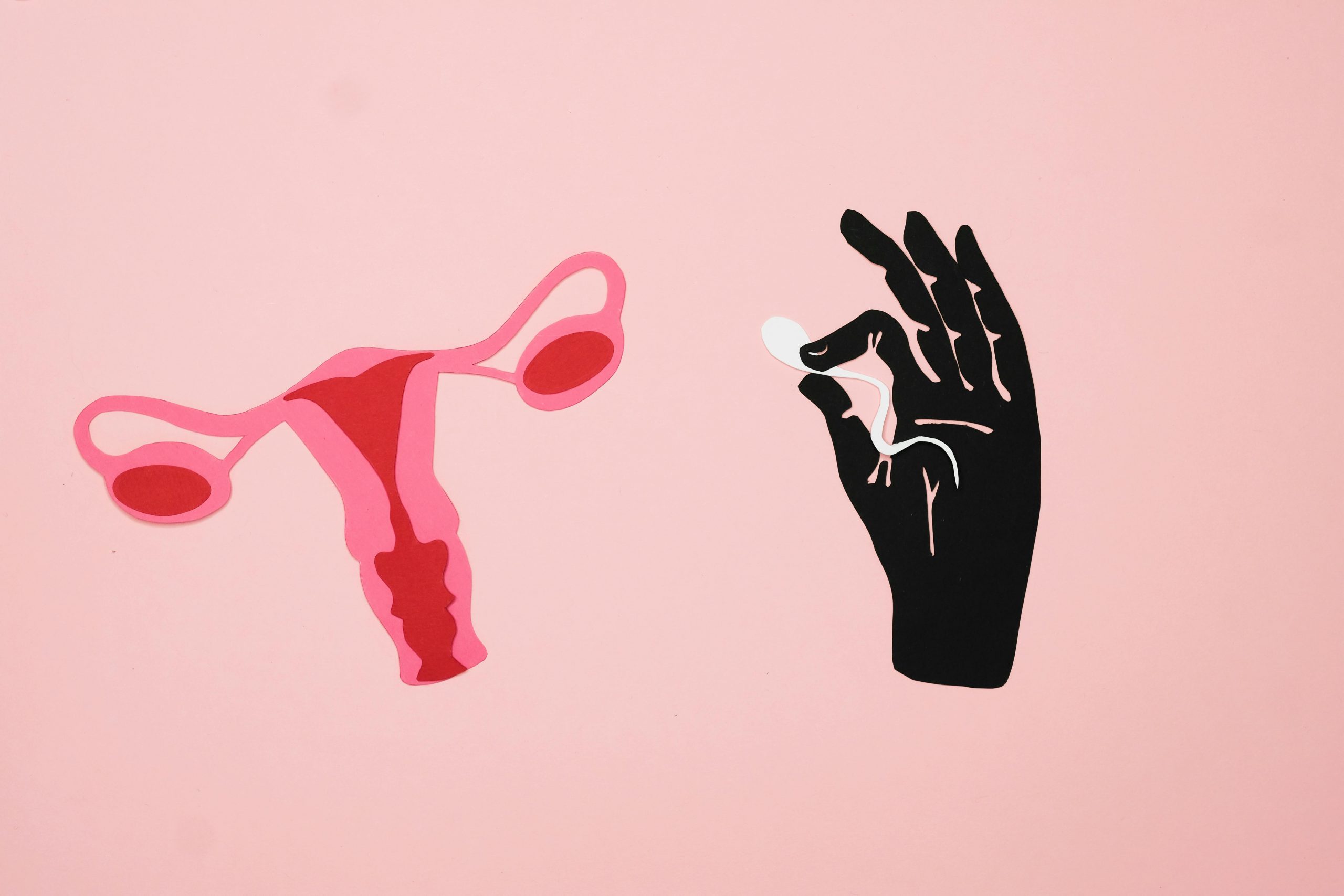
IUDs are among the most effective birth control methods available.
- Hormonal IUD effectiveness: Over 99%
- Copper IUD effectiveness: Over 99%
This means fewer than 1 out of 100 women using an IUD will get pregnant each year.
However, no birth control method is completely foolproof.
Pregnancy can occur if:
- The IUD shifts out of place
- The IUD is expelled (falls out)
- It was not inserted correctly
- It has expired
- Rarely, even when properly placed
Can You Get Pregnant With an IUD?
Yes, but it is uncommon.
If pregnancy happens with an IUD in place, it is important to seek medical care right away. Pregnancies with an IUD can carry higher risks, including ectopic pregnancy.
An ectopic pregnancy occurs when a fertilized egg implants outside the uterus, often in a fallopian tube. This can be dangerous and requires urgent treatment.
Signs of Pregnancy With an IUD
The signs of pregnancy with an IUD are similar to regular pregnancy symptoms.
Common signs include:
- Missed period (if you still have regular periods)
- Nausea or vomiting
- Breast tenderness
- Fatigue
- Frequent urination
- Light spotting
- Abdominal discomfort
However, many women with hormonal IUDs have lighter or no periods. This can make it harder to notice a missed period as a warning sign.
If you experience unusual symptoms, it is important to take a pregnancy test.
Signs of Ectopic Pregnancy
Because IUD users who become pregnant have a slightly higher risk of ectopic pregnancy, watch for these symptoms:
- Sharp or severe abdominal pain
- Pain on one side of the lower abdomen
- Shoulder pain
- Dizziness or fainting
- Heavy vaginal bleeding
If you notice these symptoms, seek emergency medical care immediately.
Why Would an IUD Fail?
IUD failure is rare but possible.
Common reasons include:
1. IUD Expulsion
Sometimes the uterus pushes the device out. This is more likely in:
- The first few months after insertion
- Women who have never been pregnant
- After childbirth
2. Improper Placement
If the IUD is not positioned correctly, it may not work effectively.
3. IUD Expiration
Each IUD has a lifespan. Once expired, it may lose effectiveness.
4. Uterine Changes
Structural changes in the uterus may affect placement.
Regular check-ups help ensure your IUD remains properly positioned.
How to Check If Your IUD Is in Place
Most IUDs have small strings that extend into the vagina.
You can check by:
- Washing your hands
- Inserting a finger into the vagina
- Feeling for the strings near the cervix
If you cannot feel the strings or feel the hard part of the IUD itself, contact your healthcare provider.
Do not pull on the strings.
What to Do If You Think You’re Pregnant
If you have an IUD and notice possible pregnancy symptoms, try to stay calm. While pregnancy with an IUD is rare, it is important to act quickly and carefully. Early medical attention helps reduce risks and ensures you get the right care.
If you suspect pregnancy:
- Take a home pregnancy test. Use a reliable over-the-counter test and follow the instructions carefully. Testing first thing in the morning can give the most accurate result because hormone levels are more concentrated. If the result is negative but symptoms continue, repeat the test in a few days.
- Contact your healthcare provider immediately if the test is positive. Let them know you have an IUD in place. They may schedule an urgent appointment to confirm the pregnancy through a blood test or ultrasound. Early evaluation is especially important to rule out ectopic pregnancy, which can be serious.
- Do not attempt to remove the IUD yourself. Trying to pull on the strings or remove the device at home can cause injury, infection, or complications. Removal must be done safely by a trained medical professional.
Your provider will confirm the pregnancy and determine whether it is located inside the uterus or elsewhere. An ultrasound is usually performed to check the pregnancy’s location. From there, your doctor will explain your options, discuss possible risks, and guide you through the next steps based on your individual situation.
What Happens If You’re Pregnant With an IUD?
If pregnancy is confirmed in the uterus, your doctor will likely recommend removing the IUD if possible.
Removing the IUD early in pregnancy reduces the risk of complications such as:
- Miscarriage
- Infection
- Preterm birth
However, removal must be done by a medical professional.
In some cases, if removal is not possible, your provider will monitor you closely.
Can an IUD Harm the Baby?
If the IUD is removed early in pregnancy, many women go on to have healthy pregnancies.
Leaving the IUD in place increases risks, which is why medical care is essential.
Every case is different, so follow your healthcare provider’s advice carefully.
Are Certain Women at Higher Risk?
Some factors may increase pregnancy risk with an IUD:
- History of IUD expulsion
- Improper placement
- Uterine abnormalities
- Missed follow-up appointments
Regular medical visits help reduce risk.
Benefits of IUDs Despite Rare Failure
Even though pregnancy is possible with an IUD, it remains one of the most reliable forms of birth control available. The failure rate is very low compared to many other contraceptive methods. For most women, the convenience and effectiveness of an IUD make it a strong and trusted option.
Benefits include:
- Long-term protection: Depending on the type, an IUD can prevent pregnancy for 3 to 10 years. This means you do not have to think about birth control every month or refill prescriptions regularly. It provides steady protection without daily effort.
- No daily pills: Unlike birth control pills, which must be taken at the same time every day, an IUD works continuously once inserted. This reduces the chance of user error, such as forgetting a dose.
- Low maintenance: After insertion, there is little upkeep required. You may only need occasional check-ups to ensure the device is still properly in place.
- Reversible fertility: If you decide you want to become pregnant, the IUD can be removed at any time. Fertility usually returns quickly, often within weeks.
- High effectiveness: IUDs are more than 99% effective at preventing pregnancy, making them one of the most dependable options available.
For most women, the benefits outweigh the small risk of failure. With proper placement and regular monitoring, IUDs offer safe, convenient, and long-lasting birth control.
How Soon Can You Get Pregnant After IUD Removal?
Fertility often returns quickly after IUD removal.
Some women may ovulate within weeks.
If you are not planning pregnancy, use backup birth control immediately after removal.
Emotional Impact of Pregnancy With an IUD
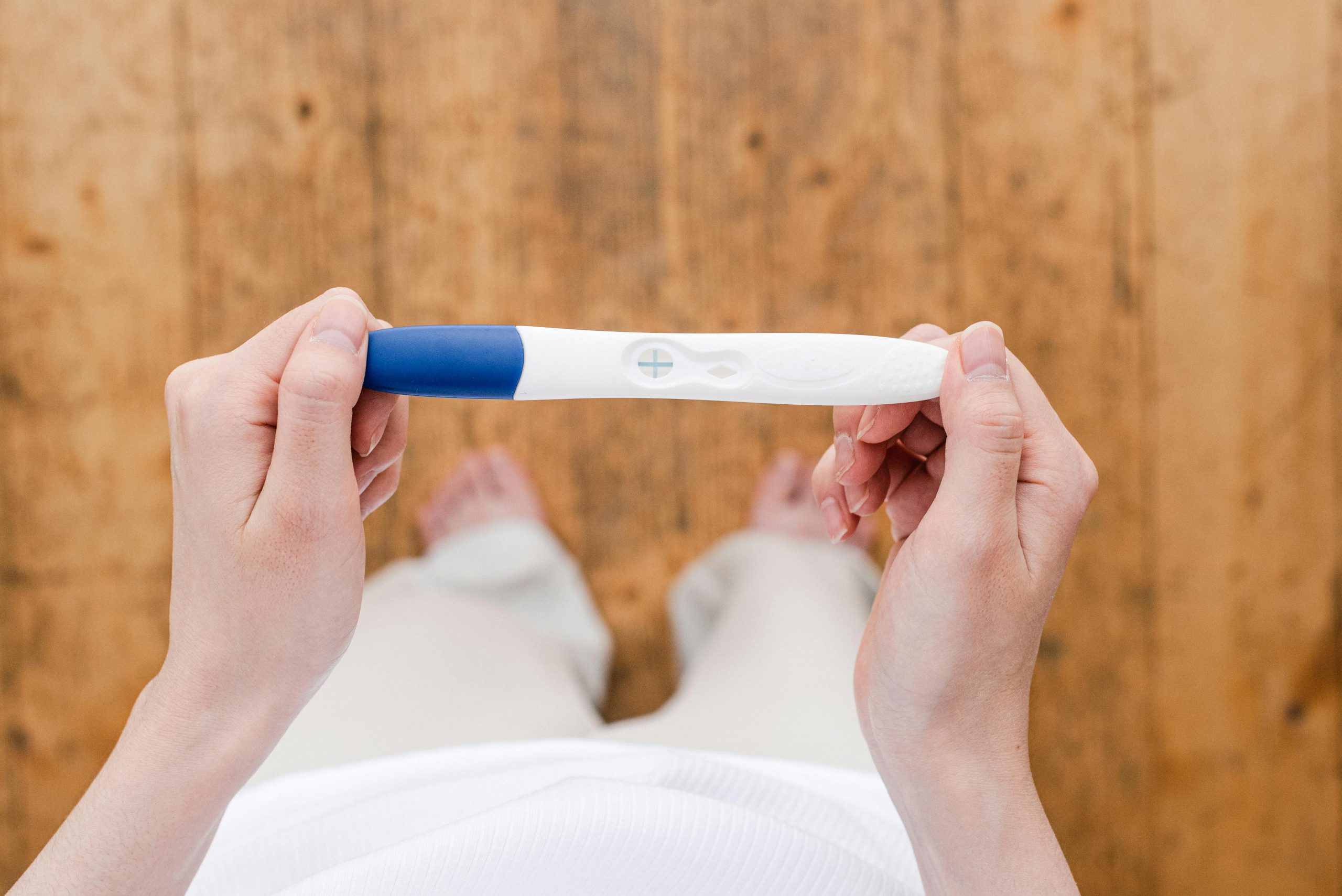
Finding out you are pregnant with an IUD can feel shocking or stressful.
It is normal to feel:
- Confused
- Worried
- Upset
- Overwhelmed
Seek support from:
- Your healthcare provider
- A trusted partner
- Close friends or family
- A counselor if needed
Emotional support is just as important as medical care.
Frequently Asked Questions
Is pregnancy with an IUD common?
No, it is rare. IUDs are over 99% effective.
Can you get pregnant with a copper IUD?
Yes, but it is very uncommon.
Should I remove my IUD if I think I’m pregnant?
Do not remove it yourself. See a doctor immediately.
Can an IUD cause a false negative pregnancy test?
No. IUDs do not interfere with pregnancy tests.
Final Thoughts
So, can you get pregnant with an IUD? Yes — but it is rare.
IUDs are one of the most effective birth control options available. However, if you experience pregnancy symptoms or unusual pain, it is important to act quickly.
Take a pregnancy test and contact your healthcare provider right away if results are positive.
Understanding the signs, symptoms, and next steps can help you respond calmly and safely.
If you have concerns about your IUD, schedule a check-up. Staying informed and proactive protects both your health and peace of mind.
Your reproductive health matters. Always seek professional guidance if you are unsure or worried.
