
A Better Path Toward Healing and Independence
Recovering from an injury is rarely a straight line. Some patients improve quickly with rest and basic treatment, while others need weeks or months of structured support to regain strength, mobility, confidence, and independence. The right recovery plan often depends on the type of injury, the patient’s overall health, the demands of daily life, and whether the injury affects work, family responsibilities, or long-term function.
A comprehensive recovery approach looks beyond the immediate pain. It considers how the injury affects walking, lifting, sleeping, bathing, driving, working, and caring for others. It also addresses emotional stress, safety concerns, financial worries, and the need for ongoing guidance. When patients understand their options, they can make better decisions and avoid setbacks that slow progress.
The goal is not just to feel better for a few days. The goal is to heal as fully as possible, prevent reinjury, and return to daily activities with greater stability. A strong care plan may include medical treatment, rehabilitation, in-home support, specialized therapy, pain management, documentation, and long-term wellness planning.
Start With a Clear Recovery Roadmap
The first step after an injury is a thorough evaluation. Patients need to know what happened, which parts of the body are affected, how serious the injury is, and what limitations should be expected during recovery. A clear diagnosis helps prevent guesswork and allows providers to create a treatment plan based on the patient’s actual needs.
A physical therapist can evaluate strength, flexibility, balance, posture, walking patterns, pain levels, and movement restrictions. This evaluation can identify problems that may not be obvious at first, such as weakness on one side of the body, poor joint stability, limited range of motion, or compensation patterns that place stress on other areas.
Physical therapy often becomes a core part of injury recovery because it focuses on restoring function, not just reducing pain. Treatment may include guided exercises, stretching, balance training, manual techniques, mobility work, strengthening programs, and education about safe movement. Patients may also learn how to use assistive devices, protect injured areas, and gradually return to normal activity.
A recovery roadmap should include short-term and long-term goals. Short-term goals may include reducing swelling, walking safely, improving range of motion, or sleeping more comfortably. Long-term goals may include returning to work, exercising again, lifting safely, or completing daily tasks without help. Clear milestones give patients a way to measure progress and stay motivated.
Make the Living Space Safer and More Supportive

Many injuries make ordinary household tasks more difficult. Stairs, rugs, narrow hallways, slippery bathrooms, poor lighting, and cluttered spaces can increase the risk of falls or reinjury. Creating a safer environment can help patients move with more confidence while they heal.
Home care can support patients who need help with bathing, dressing, meal preparation, medication reminders, light housekeeping, mobility assistance, and transportation to appointments. This type of support can be especially useful for older adults, patients with limited mobility, or individuals recovering from surgery or serious trauma.
Home health care may include more skilled medical support, depending on the patient’s needs and eligibility. Services may involve nursing visits, wound care, medication management, monitoring of vital signs, and coordination with doctors or rehabilitation providers. This can be valuable when a patient needs medical oversight but can safely remain at home.
Simple home changes can also make a big difference. Remove loose rugs, clear walking paths, install grab bars, use nonslip mats, keep essential items within reach, and make sure frequently used rooms are well lit. Patients using walkers, crutches, or wheelchairs may need wider pathways and stable furniture placement.
A supportive home environment also includes healthy routines. Proper nutrition, hydration, rest, and medication consistency all affect healing. Family members and caregivers can help by encouraging safe activity, supporting appointments, and watching for signs that the patient may need additional care.
Bring Rehabilitation Into the Home When Needed
Not every patient can easily travel to a clinic. Pain, limited mobility, lack of transportation, fatigue, or medical restrictions may make outside appointments difficult. In these cases, in-home rehabilitation can help patients continue progress without the added strain of travel.
At home physical therapy allows patients to receive guided treatment in the environment where they actually live. This can be especially helpful because the provider can see the patient’s real challenges, such as getting out of bed, using stairs, moving through the kitchen, entering the bathroom, or walking to the front door.
In-home treatment may include strength exercises, balance activities, gait training, transfer practice, flexibility work, and education for caregivers. The provider may also recommend changes to furniture placement, bathroom setup, or walking routes to improve safety.
Patients should prepare for each session by wearing comfortable clothing, clearing enough space for movement, and keeping any assistive devices nearby. They should also be honest about pain, fatigue, fear of falling, or difficulty completing exercises between visits. This information helps the provider adjust the plan.
Progress also depends on what happens between sessions. Patients may be given exercises to complete on their own. These should be done exactly as instructed, without adding extra intensity too soon. Overdoing activity can irritate the injury, while avoiding movement completely can slow recovery.
Rebuild Daily Skills and Personal Independence
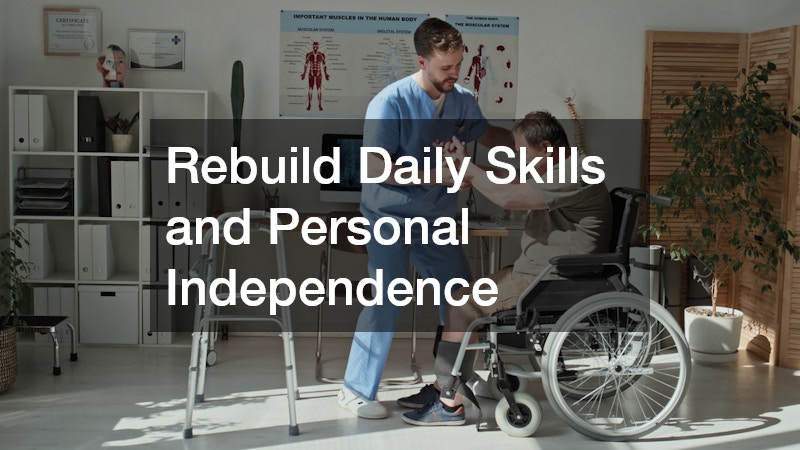
Injury recovery is not only about walking farther or lifting more weight. Many patients struggle with basic daily activities such as getting dressed, preparing meals, bathing, writing, typing, driving, cleaning, or returning to work. These tasks require coordination, strength, balance, endurance, and problem-solving.
Occupational therapy helps patients relearn or adapt the daily skills they need for independent living. Treatment may focus on upper body function, hand strength, coordination, energy conservation, safe transfers, adaptive equipment, and strategies for completing tasks with less pain or risk.
For example, a patient recovering from a shoulder injury may need help learning how to dress without increasing pain. A patient with a hand injury may need exercises and tools to improve grip. Someone recovering from a fall may need strategies for bathing safely or moving around the kitchen without losing balance.
Adaptive equipment can make daily activities easier. Examples include reachers, shower chairs, raised toilet seats, dressing aids, jar openers, braces, splints, and modified utensils. The goal is not to make patients dependent on equipment forever. The goal is to support safety and independence while healing continues.
This type of care can also help patients return to work or community activities. Providers may help patients practice job-related tasks, manage fatigue, improve posture, or develop safer ways to complete repetitive movements. Restoring independence can improve both physical recovery and emotional well-being.
Address Symptoms That Require Specialized Attention
Some injuries create symptoms that patients may feel embarrassed to discuss. Pelvic pain, bladder leakage, bowel changes, pain with sitting, core weakness, or discomfort during movement can occur after falls, accidents, surgery, childbirth-related trauma, or other physical stress. These symptoms should not be ignored.
Pelvic floor therapy focuses on the muscles, nerves, and connective tissues that support pelvic function. Treatment may help patients improve strength, coordination, relaxation, posture, breathing patterns, and control. It can be useful for both men and women, depending on the condition and symptoms.
Patients should seek specialized help if they notice persistent pelvic pain, urinary urgency, leakage, constipation, pain with certain movements, or difficulty returning to normal activities. These symptoms can affect quality of life and may worsen if left untreated.
Specialized rehabilitation starts with a careful evaluation. The provider may ask about pain patterns, bladder and bowel habits, movement limitations, medical history, and daily routines. Treatment is then customized to the patient’s comfort level and goals.
The most important message is that these concerns are medical issues, not personal failures. Patients should feel comfortable discussing symptoms with a qualified provider so they can receive appropriate care and avoid unnecessary suffering.
Add Supportive Pain Management When Appropriate

Pain can limit sleep, movement, mood, and motivation. While some discomfort may be expected during healing, uncontrolled pain can prevent patients from participating fully in recovery. A comprehensive care plan should address pain in a safe, coordinated way.
A chiropractor may help some patients with musculoskeletal pain, stiffness, spinal mobility issues, or movement-related discomfort. Care may include manual adjustments, soft tissue work, mobility recommendations, posture guidance, and exercises. This type of care should be coordinated with the patient’s broader medical and rehabilitation plan.
Not every injury is appropriate for every type of treatment. Patients with fractures, nerve symptoms, severe trauma, recent surgery, or certain medical conditions should speak with their healthcare provider before beginning complementary care. Safety should always come first.
Pain management may also include heat, ice, gentle stretching, relaxation techniques, medication management, massage, ergonomic changes, and activity pacing. The best approach depends on the injury, symptoms, and stage of healing.
Patients should track what improves or worsens pain. Useful details include time of day, activity level, sleep quality, medication use, exercise response, and specific movements that trigger symptoms. This information helps providers adjust treatment and avoid unnecessary setbacks.
Keep Records That Support Recovery and Accountability

Injury recovery often involves medical appointments, expenses, missed work, insurance communication, and treatment recommendations. Keeping organized records can protect patients from confusion and help them explain their recovery clearly.
A personal injury attorney may be involved when an injury results from a car accident, unsafe property condition, negligence, or another event where compensation may be available. Medical documentation can be important because it shows the connection between the injury, treatment, limitations, and financial losses.
Patients should keep copies of medical records, imaging reports, prescriptions, therapy notes, bills, mileage to appointments, lost wage information, and written instructions from providers. A recovery journal can also be helpful. It may include pain levels, mobility changes, sleep problems, missed activities, and progress over time.
Good documentation is not only useful for legal or insurance matters. It also helps patients remember what was recommended, which providers they saw, and how symptoms changed. This can be especially valuable when recovery takes several months.
Patients should avoid gaps in care whenever possible. Missed appointments or long delays may slow recovery and create confusion about the seriousness of the injury. If appointments must be missed, patients should reschedule promptly and follow provider instructions.
Manage Job-Related Injuries and Work Transitions
Workplace injuries can create unique challenges. Patients may worry about income, benefits, job security, modified duty, medical approval, and whether they can safely return to their usual tasks. Clear communication and proper documentation are essential.
A workers comp lawyer may help patients understand benefits, reporting requirements, denied claims, medical disputes, or return-to-work issues. This can be especially important when an injury prevents someone from performing their regular job or when there is disagreement about treatment.
Patients should report workplace injuries according to their employer’s procedures and state rules. They should also follow treatment recommendations, attend appointments, and keep copies of all paperwork. Written records can help prevent misunderstandings about when the injury occurred, what symptoms developed, and what work restrictions apply.
Returning to work should be based on medical guidance, not pressure or guesswork. Some patients may need modified duties, reduced hours, lifting restrictions, seated work, ergonomic changes, or additional breaks. These accommodations can support healing while allowing the employee to remain productive.
Patients should be honest with providers about job demands. A desk job, warehouse position, healthcare role, construction job, or driving position each requires different physical abilities. The recovery plan should reflect the real movements and demands the patient must manage.
Moving Toward Stronger, Safer Recovery
Healing after an injury takes patience, planning, and the right support. A comprehensive care approach can help patients address pain, mobility, independence, safety, work concerns, and long-term wellness instead of focusing only on short-term symptom relief.
Every patient’s recovery path is different. Some people need clinic-based rehabilitation, while others benefit from in-home support, specialized treatment, adaptive equipment, or coordinated care from multiple professionals. The most effective plan is one that reflects the patient’s injury, lifestyle, goals, and daily challenges.
By staying organized, following treatment recommendations, communicating openly with providers, and making safety a priority, patients can improve their chances of a stronger recovery. With the right care options in place, it becomes easier to regain confidence, rebuild independence, and move forward with a healthier foundation.
